
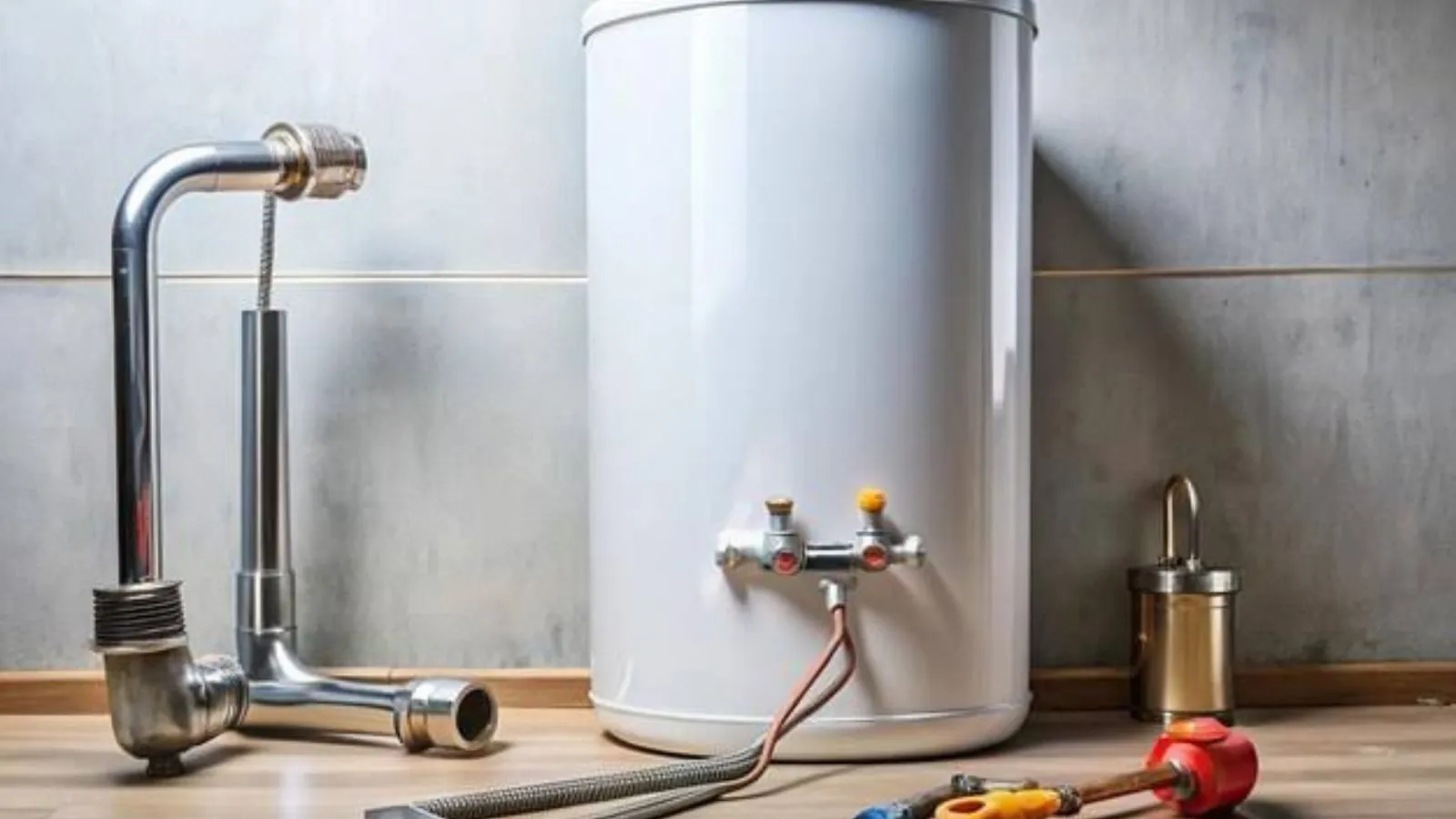
When a water heater leak is an emergency
A tank that splits can empty most of its volume across the floor. A slow weep from a fitting is less dramatic but can soak a wall and a subfloor over weeks. The phone line is open 24/7, including after hours, so you can call the moment you see water.
Tank water usually begins as clean supply water, which the published ANSI/IICRC S500 standard treats as Category 1, though sediment and a long-running leak can change how a crew rates what it finds.
Shut off power to the heater at the breaker, or turn the gas control to off. Close the cold water inlet valve on top of the tank. Keep people away from the area until the electrical hazard is clear.
Power, gas and hot water
Water from a tank can be scalding. Keep children and pets away and do not touch the tank until it cools.
If the heater is gas and you smell gas, leave the home and call 911 from outside.
Where a failing tank puts the water
Water heaters sit in garages, closets, basements and attic platforms. A garage tank usually sends water across concrete and into the walls. A hallway or closet unit may leak under carpet or onto a wood subfloor. An attic unit sends water through the ceiling below.
Most tanks last a limited number of years, and corrosion at the bottom is a common failure. Signs include rust at the base, dampness around the pan or a puddle that keeps coming back.
| Location | What gets wet | Common concern |
|---|---|---|
| Garage | Concrete floor, walls, stored items | Water spreads under the garage door and toward the house |
| Closet or hallway | Carpet, pad and subfloor | Wet pad hidden under flooring |
| Basement | Slab, walls and finished rooms | Water reaching carpet or drywall |
| Attic | Insulation and the ceiling below | Sagging drywall |
Isolate the heater
Power and water to the tank are off before work starts.
Extract
Water is removed from the floor and any materials it reached.
Dry the structure
Equipment dries walls, subfloor and any attached rooms.
Document and scope
Photos, readings and a written scope support repair and any claim.
A plumber replaces the tank. We clean and dry the area, and the two jobs often run side by side. For a leak that spread into the garage and living space, water extraction explains the first step.
How to tell a slow leak from a ruptured tank
A ruptured tank is obvious, with water across the floor within minutes. A slow leak is quieter and shows as rust streaks on the tank, a damp pan or a floor that stays wet after you wipe it. Slow leaks can soak a subfloor for months, so any steady dampness is worth a call.
What affects the cost
A small leak and a ruptured tank are very different jobs. Cost depends on:
- How much water the tank released
- Whether it reached carpet, drywall or finished flooring
- How far it spread beyond the room
- The days of drying
- Repairs left after drying
Call (833) 521-1033, tell us where the tank sits and what the water has reached.
When a tank fails suddenly, the water damage it causes is often covered, while the tank itself may not be. A slow weep that went unnoticed for months often is not covered, and flood usually needs separate coverage. Ask your insurer how your policy treats it.
Related pages and service area
Many tank failures spread into hallways, so the carpet water damage page explains what happens to wet carpet and pad. We work in Battle Ground and in nearby towns such as Brush Prairie, Yacolt, La Center and Vancouver.
Questions people ask
Do you handle water heater leak emergencies at night or on weekends in Battle Ground?
Yes. Tanks tend to fail with little warning, so the line is answered 24/7. A call can help you shut off power and water safely first.
Do I need to replace the water heater first?
You can do both at the same time. The plumber replaces the tank while we extract and dry. Shutting off the supply and power first prevents further damage.
Is a small leak at the base worth a call?
Yes. A slow leak can soak the subfloor and wall without being obvious. A moisture check shows whether anything is hidden.
Will insurance cover a water heater leak?
A sudden failure is often covered for the water damage it causes, though the tank itself may not be. Slow leaks are often excluded. Check your policy.
Can the floor be saved?
Often yes, especially tile and concrete. Carpet and wood depend on how long they sat wet. A technician checks moisture before any decision is made.