
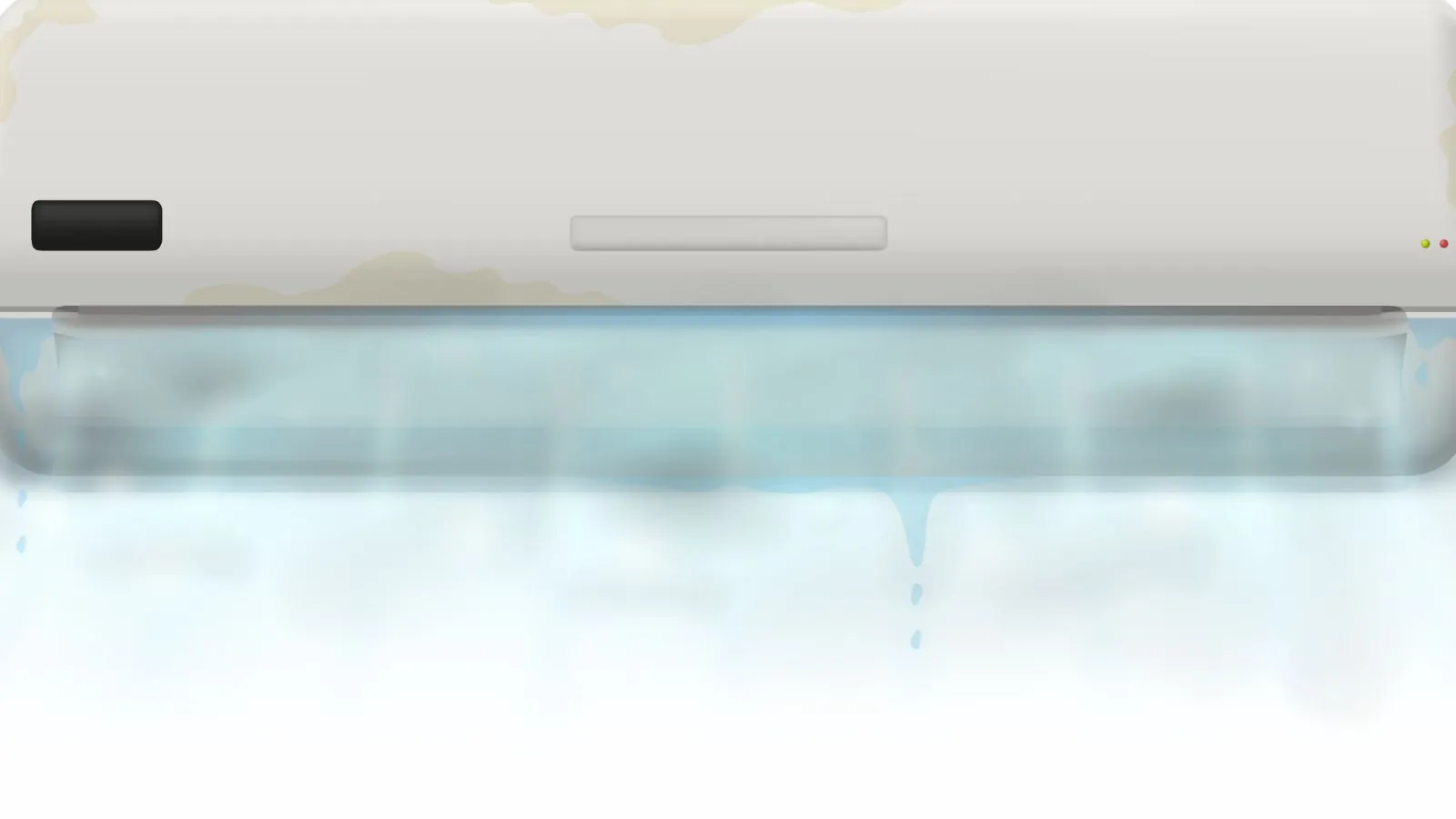
How an AC leak happens
Air conditioners and heat pumps pull moisture from the air, and that water leaves through a condensate drain. When the drain clogs, the pan overflows or the line splits, water runs into the ceiling, wall or floor below. The damage is slow and easy to miss.
A condensate overflow is not clean water. The published ANSI/IICRC S500 standard rates that kind of water higher than a fresh supply leak because of what builds up in drain pans and lines, so porous material that stayed wet is judged with more caution.
Signs include a stain on a ceiling below an attic unit, a damp closet floor near an air handler or a musty smell when the system runs. If water is dripping now, switch off the system at the thermostat and call.
Where AC leaks cause damage
| Equipment location | Common leak point | What gets wet |
|---|---|---|
| Attic air handler | Overflow pan or clogged drain line | Ceiling drywall and insulation below |
| Closet or utility room | Drain connection | Flooring and drywall near the unit |
| Crawl space | Condensate line | Joists and subfloor |
| Ductless wall unit | Blocked drain tube | Wall below the unit |
An HVAC technician cleans the drain line or replaces the pan, and we do not do that. We dry what the water reached and report what needs replacing. The attic is often the worst case, because insulation holds water against the ceiling for a long time.
Switch off the system
The unit is turned off so it stops producing more water.
Find the wet area
Meters and a thermal camera map moisture in the ceiling, wall or floor.
Remove and dry
Wet insulation and drywall that cannot dry are removed, and equipment dries the rest.
Scope repairs
A written scope lists drywall, texture and paint after drying.
What to do when you find an AC leak
Switch the system off at the thermostat and at the air handler. Place a bucket under any drip, and move belongings out from under a stained ceiling. If the pan is full, you can empty it with a wet vacuum, but do not reach into the equipment while it has power.
Take photographs of the ceiling, the pan and the drain line. A clear record of what you found helps both the HVAC technician and any insurance conversation.
Why attic leaks go unnoticed
Attic air handlers often sit above a hallway ceiling, so a leak can run for weeks before the drywall stains. Insulation holds water against the ceiling and spreads it sideways. By the time a stain appears, the wet area above can be much larger than the stain below.
A summer cooling season also means the system runs for months, so the drain clogs and refills repeatedly. A yearly drain line cleaning by an HVAC contractor is a common way to prevent that.
What affects the cost
An AC leak can be small or hidden for months. These facts decide the final cost:
- How long the drain was leaking
- Whether insulation above the ceiling is wet
- How much drywall and flooring is affected
- Days of drying needed
- Repair work left after drying
For an AC leak, call (833) 521-1033 and tell us where the unit sits and what has been stained.
An overflow that happened suddenly may be covered, but a drain that dripped for months is often treated as a maintenance problem and excluded. Flood damage usually needs separate coverage. Be honest with your insurer about the timeline and check your policy. Slow leaks over months are often treated as maintenance issues, so be honest about the timeline.
Related pages and service area
If the stain is already on the ceiling, ceiling water damage repair explains the next steps. Closets and utility rooms follow the flow on appliance leak water damage. We serve Battle Ground, Yacolt, La Center, Brush Prairie and Vancouver.
Questions people ask
Do you handle AC leak emergencies at night or on weekends in Battle Ground?
Yes. The line is open 24/7. If water is dripping, switch off the system and call, and we will explain what to do while a crew is arranged.
Can I just clean the drain line?
A simple clog can sometimes be cleared by an HVAC technician. If water has already stained the ceiling or floor, the damage still needs drying.
Will insurance cover an AC leak?
Sudden overflows are often covered for the water damage they cause. Slow leaks and lack of maintenance are often excluded.
How do I know if insulation above the ceiling is wet?
A thermal camera and a moisture meter show it from below. Wet insulation is heavy, so a sagging ceiling often means it is soaked.
Do you repair AC systems?
No. An HVAC contractor handles the equipment. We dry the damage.