
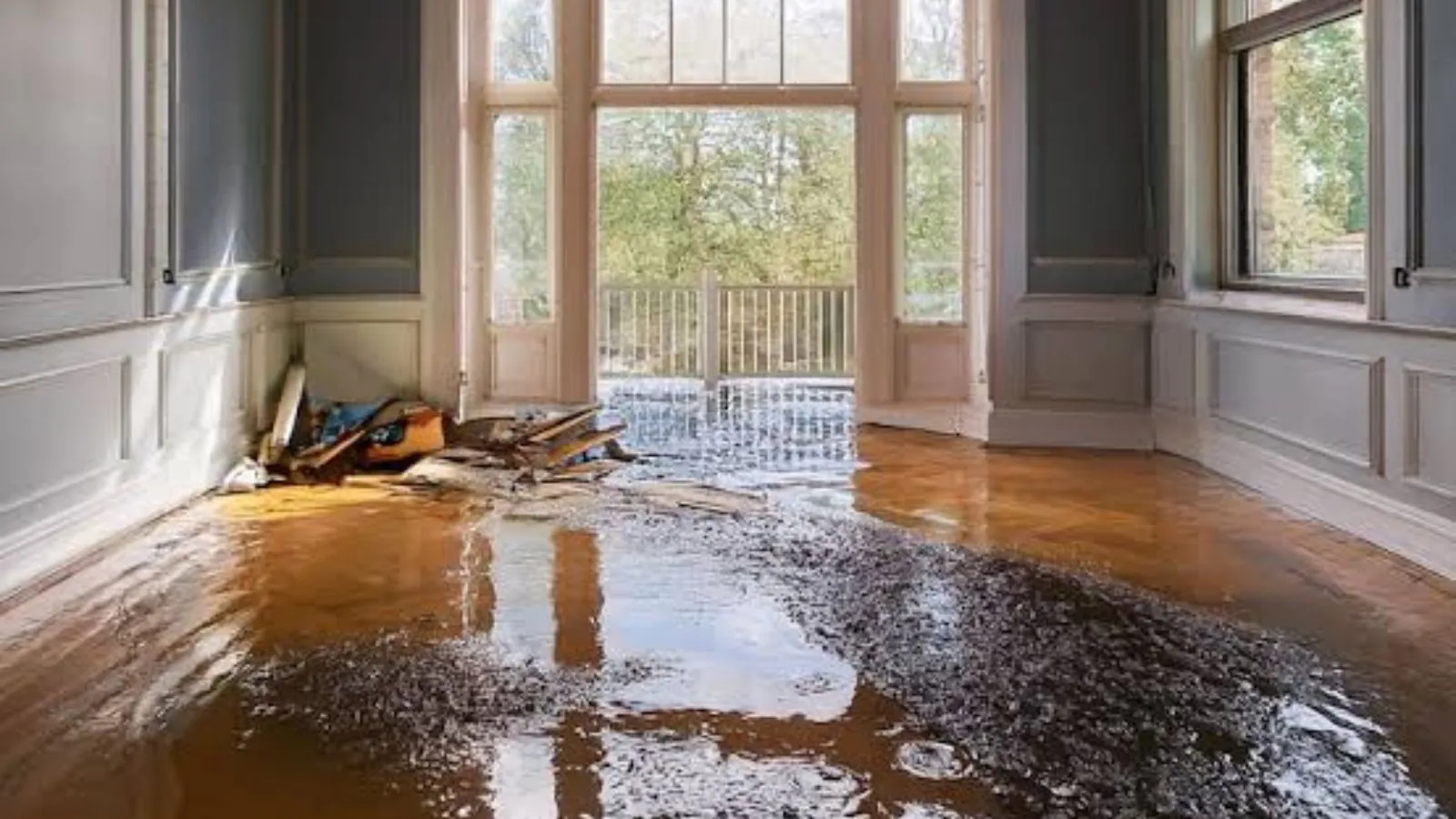
When flood water is an emergency
Flood water inside a home gets more expensive every hour it stays. Wet drywall wicks upward, carpet pad holds water like a sponge, and wood starts to swell. The phone line for Battle Ground is open 24/7, including nights, weekends and holidays, so you never have to wait for business hours to ask what to do.
While you wait for a crew, keep people and pets out of the water and lift valuables onto higher surfaces. Photograph the water line on the walls before anything is moved. If it is safe and reachable, shut off the main water valve to rule out a supply line as the source.
Electricity and flood water do not mix
If water reaches outlets, cords or the electrical panel, stay out of the room. Cut power only if you can reach the panel while standing on dry ground, and never touch a breaker while standing in water.
Call the utility or 911 for any electrical or gas concern before you call the restoration line. Do not run household vacuums or box fans through standing water.
Where flood water comes from around Battle Ground
Clark County says high river levels return every year during the rainy season from October through March, and again with spring snowmelt from April through June. Clark County also reported that high flows damaged the boat launch at Lewisville Regional Park, a county park on the East Fork Lewis River near Battle Ground, in the winter of 2024.
A river rising in a park does not mean your street floods, but it is a good reason to look up your own address on the FEMA Flood Map Service Center.
Not every flood comes from a river. Woodin Creek runs through Central Park in Old Town, and steady rain can also overload yard drains, window wells and low driveways far from any named water. If you are unsure whether a flood map covers your property, ask the City of Battle Ground building department.
How flood damage cleanup works, step by step
Safety and source
A technician checks for electrical hazards, finds where water entered and confirms it has stopped.
Extraction
Pumps and extraction units remove standing water, then the floor and low walls are worked over.
Drying and monitoring
Air movers and dehumidifiers run while moisture meters track each wet material until readings return to normal.
Cleaning and scope
Affected surfaces are cleaned and a written scope lists what was removed and what repair is left.
Flood water is usually treated as contaminated, because it carries soil and whatever it crossed on the way in. That decides what can be dried in place and what must be removed, such as carpet pad, insulation and the lower part of drywall. ANSI/IICRC S500 is the published standard for water damage restoration, and you can ask any company whether its crews work to it.
| Water category | Typical source | What it usually means for the job |
|---|---|---|
| Category 1 | A clean supply line or rain that came through the roof | Dry in place is often possible when it is caught early |
| Category 2 | Washer or dishwasher discharge, some groundwater | Porous materials are often removed, then the area is cleaned and dried |
| Category 3 | River or surface flood water, sewage | Contaminated. Porous materials come out and crews wear protective gear |
What drives the cost of flood cleanup
No two floods cost the same, and a fair number can only come after someone looks at the rooms. These are the factors that move the total:
- Water category, since contaminated water means more removal and more cleaning
- How deep the water got and how many square feet it reached
- Which materials were soaked, such as carpet, wood flooring or drywall above the baseboard
- How many days of drying and how many machines the building needs
- How much rebuild work is left once drying is finished
Standing in flood water right now? Call (833) 521-1033 and describe how deep it is.
Flood water is treated differently from a pipe burst, because standard homeowners policies usually leave it out and a separate flood policy covers it. Sudden accidental leaks inside the home are often covered, so read your policy before you describe the cause to anyone.
Related work and where we serve
If the water came from a failed pipe instead of the outside, the burst pipe water damage page covers the source. A flooded lower level is handled in basement water damage cleanup, and the pumping step on its own is described under water extraction.
Crews work across Battle Ground and the nearby towns of Yacolt, La Center and Vancouver. Homes in Brush Prairie are a short drive south on SR 503.
Questions people ask
Do you handle flood damage emergencies at night or on weekends in Battle Ground?
Yes. Flood water does not keep office hours, so the line stays answered at night and on weekends. Tell us the depth and where it entered, and we will go through the safety steps with you right away.
How do I know if flood water is contaminated?
Treat any water that came from outside, from a creek or river, from a sewer line or from the ground as contaminated until proven otherwise. Water that looks clear can still carry bacteria. Keep children and pets out and avoid touching wet materials without gloves.
How long does drying take after a flood?
Drying usually takes several days, and the exact number depends on how deep the water went and which materials were wet. Moisture meters decide when drying is done, not the calendar. Dense materials such as framing and hardwood take longer than carpet or drywall.
Can carpet be saved after flood water?
Carpet exposed to contaminated flood water is usually removed, and so is the pad underneath. Carpet that was wet from a clean source and dried quickly has a better chance. A technician can test moisture and tell you which case you have.
Will homeowners insurance pay for flood damage?
Flood damage is usually excluded from a standard homeowners policy and needs separate flood coverage. Sudden water from a burst pipe is treated differently. Read your policy or ask your insurer, and photograph everything before cleanup starts.