
What water does to hardwood
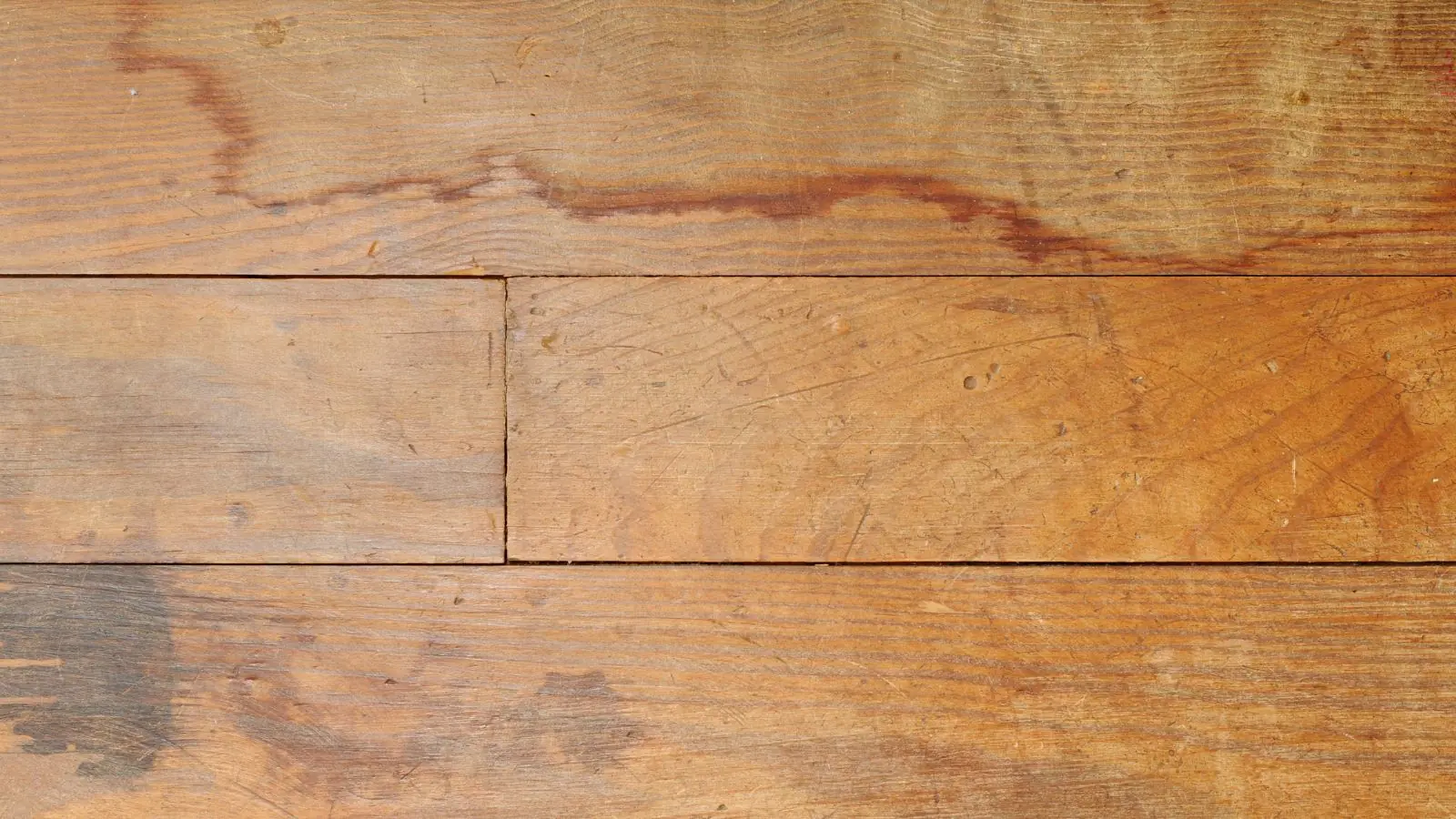
Hardwood is wood, so it swells when it absorbs water. Boards at the edges cup first, with the sides rising higher than the center. If water sits long enough, the floor crowns, buckles or lifts from the subfloor, and dark stains can set in.
The published ANSI/IICRC S500 standard puts wet hardwood in the category of materials that must be dried to a measured target, so a crew compares moisture readings against an unaffected floor in the same house instead of guessing.
Speed matters more here than almost anywhere else in a house. A floor dried within a few days often recovers well, while a floor left for weeks may need replacing.
| Sign | What it means | What often helps |
|---|---|---|
| Cupping | Boards absorbed moisture from below | Controlled drying, then reassess before sanding |
| Crowning | Center of boards is higher than edges | Wait until dry, then sand and refinish |
| Buckling | Floor lifts from the subfloor | Often needs removal of sections |
| Dark stains | Water reached the wood fibers | May need sanding, bleaching or replacement |
How hardwood is dried
Drying a hardwood floor is slower than drying carpet. Technicians may use panel or mat systems that pull moisture up from the boards, along with dehumidifiers and gentle airflow. Fast heat can cause boards to crack, so the temperature is controlled.
Check the moisture
Meters compare the floor to a dry reference reading.
Extract and set up
Surface water is removed, and drying equipment is placed.
Dry slowly
Readings are logged daily and the setup is adjusted.
Decide on repair
After drying, the floor is assessed for sanding, refinishing or board replacement.
Not every floor can be saved. Floors that were soaked by sewage or contaminated flood water usually have to be removed. Engineered flooring is thinner, so it often fails sooner than solid boards.
For related work, see water extraction for the first step, and structural drying for the equipment itself. When a leak starts under a slab, the slab leak page explains why hardwood is at risk.
What to do while the floor is still wet
Remove rugs, mats and furniture with wet legs from the floor. Mop up surface water, but do not drag a wet vacuum across the boards if the floor is cupping. Keep the heat steady, since a sudden blast of warm air can crack boards that are still swollen.
Do not seal the floor with wax, paint or a topcoat until it has been dried and checked. Finish trapped over wet wood makes it harder to dry and can cloud or peel later.
Why subfloor and basement matter
Many hardwood floors sit over a plywood subfloor or a ventilated crawl space. Water from above soaks down, while water from a crawl space moves up. Either way, the underside of the floor needs the same attention as the surface, and technicians check both when access allows.
Floors laid over concrete use glue or a floating system, and those react differently. A moisture meter and a conversation about how the floor was installed help decide the drying approach.
What affects the cost
Hardwood repair cost depends on how the floor responds to drying. The main factors are:
- How long the floor was wet
- Solid or engineered boards
- Square footage affected
- Whether the finish must be sanded and recoated
- Number of drying days and equipment
Call (833) 521-1033 and describe the boards, the finish and how long they have been wet.
Insurers often cover hardwood damaged by a sudden leak, though they may argue about how much of the floor is replaced. Slow leaks and neglect often are not covered, and flood damage usually needs a separate policy. Photograph the floor before and during drying.
Service area
We work in Battle Ground and nearby towns, including Yacolt, Brush Prairie, La Center and Vancouver.
Questions people ask
Can a cupped hardwood floor go flat again?
Often, yes, if it is dried carefully and not too late. Floors need time to settle after drying, and a technician checks readings before any sanding.
Should I sand the floor right away?
No. Sanding wet or damp wood can lock in problems. Dry the floor first and check the readings.
Do you refinish floors?
We focus on drying and restoration. Refinishing is usually done by a flooring contractor after drying is complete.
Is engineered flooring worse than solid wood?
It is often less forgiving, because the thin wear layer can delaminate. A technician can tell you after checking it.
Do you handle hardwood water emergencies after hours?
Yes, the phone line is open 24/7, and an early call gives the floor a better chance.