
By the Battle Ground Water Damage Pros team. Published November 18, 2026.
What a scope of work is
A scope of work lists what will be done, where and with what materials or equipment. For water damage, there are usually two scopes. One covers mitigation, which is water removal and drying. The other covers repairs, such as drywall, paint and flooring.
A scope of work for mitigation usually follows the structure of the published ANSI/IICRC S500 standard, with the water category, the class of loss, the equipment plan and the drying goals written down.
Keeping the two apart makes the job easier to follow. Mitigation is urgent and happens first. Repairs wait until the structure is dry, since you cannot close up wet walls.
What a mitigation scope usually includes
| Line item | What it means | Question to ask |
|---|---|---|
| Water extraction | Removing standing water and water in materials | Which rooms and how deep? |
| Demolition | Removing wet carpet, pad, drywall or insulation | Why can it not be dried in place? |
| Equipment days | Air movers and dehumidifiers on site | How many units and for how many days? |
| Monitoring visits | Return visits to take readings | How often and who records them? |
| Contents handling | Moving or packing belongings | Which items and where do they go? |
A good scope names rooms and measurements. A vague line such as 'dry the house' leaves room for disagreement later, so ask for detail.
What a repair scope includes
- Drywall replacement with finishing and texture
- Painting, including the whole wall to avoid patches
- Baseboards, trim and doors
- Flooring, such as carpet, pad or planks
- Insulation replacement in opened walls
Repair scopes should state materials and quantities in plain terms. Ask whether paint covers the whole wall and whether trim is replaced or reused.
Red flags in a scope
- No measurements or room names
- Equipment listed with no day count
- A flat price that ignores how long drying takes
- Demolition with no explanation
- Pressure to sign before you have read it
You can ask for a revised scope, and you can ask your insurer for theirs. Comparing the two often explains differences in price.
Drying logs and why they matter
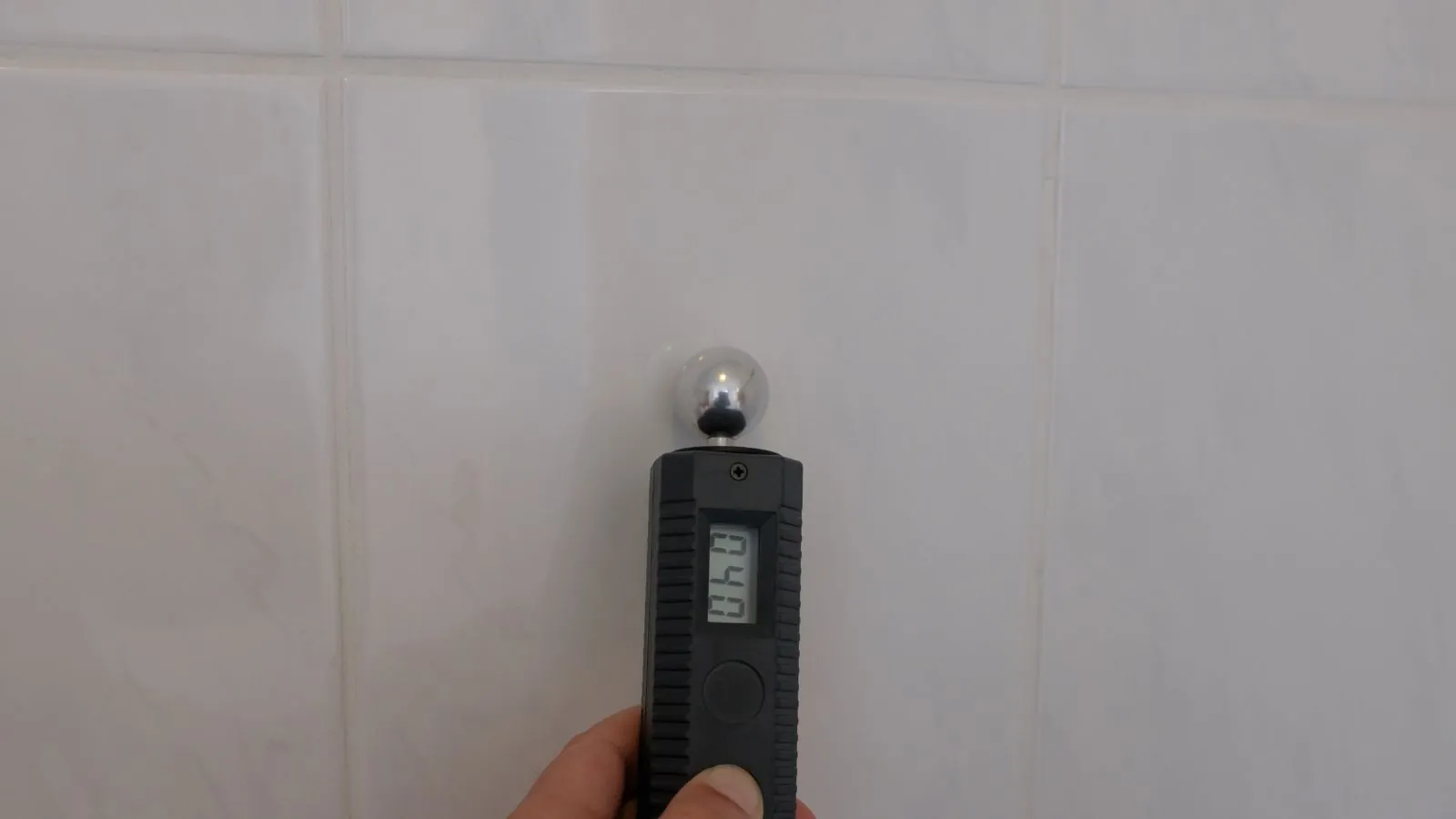
A drying log records moisture readings at each visit. It shows that materials reached a normal level before they were closed up. If readings are missing, you cannot tell whether drying was done.
How scope changes are handled
Scopes change when drying reveals more damage. A wall that read dry at first may read wet a day later, or a floor may need to come up after readings stall. A good crew tells you right away and explains the change in plain words.
Ask that any change be written down before the work happens. A short email or a signed change line is enough. It protects you and the company, and it gives your insurer a clear trail.
Questions to ask before you sign
- Does this scope separate drying from repairs?
- How many days of equipment are included, and what happens if more are needed?
- Who takes the moisture readings, and will I get a copy?
- What is excluded, such as repairs, contents and permits?
- How will changes be communicated and priced?
A clear company answers these without hesitation. If answers are vague or change from one call to the next, ask for them in writing. Written answers make it easier to compare two companies fairly.
Why unit prices alone can mislead
Two scopes can list the same equipment and different results. One company may count equipment days after it has been placed, while another counts from the first call. One may include removal of wet drywall, and another may leave it for a separate contractor.
Compare what is included, not only the totals. A scope that looks lower priced may leave out a step that you will pay for later.
Treat the scope as a living document. Date each version, keep the old ones and ask for a clear summary when something changes. A tidy paper trail makes any later conversation with an insurer, a buyer or a contractor much easier.
Finally, keep the final scope with your home records. If you sell, refinance or file another claim, a clear record of what was done helps everyone understand the history of the property.
Using the scope during the job
Keep the scope handy and check it against what you see. Rooms, equipment and demolition should match. If something is different, ask about it that day. Small questions are easier to resolve than a dispute at the end.
A local note for Battle Ground scopes
In Battle Ground, repairs that change walls or structure may need permits. Clark County Community Development says permits are required for additions, remodels, adding or removing walls and sheathing repair, and not for painting, carpeting and cabinets. Inside city limits, ask the City of Battle Ground building department.
Homes outside city limits in places such as Brush Prairie use the county for permits, while La Center and other towns have their own offices.
For how drying is monitored, see structural drying, and for wall repairs, see the wall and drywall repair page.
Questions people ask
Is a scope the same as a quote?
No. A scope lists the work. A quote or estimate attaches prices to it. Ask for both, and make sure they match.
Can the scope change during the job?
Yes, if the crew finds more damage. A good company tells you and updates the scope in writing.
Who writes the scope for insurance?
The mitigation crew writes its scope, and the adjuster writes the insurer's estimate. They may differ, and the differences can be discussed.
Do I need a separate scope for repairs?
Yes. Repairs are priced after drying, once it is clear what must be replaced.
Do permits appear in a Battle Ground scope?
They can. If walls or structure change, the scope may note permits through the city or Clark County, depending on your address.