
By the Battle Ground Water Damage Pros team. Published November 18, 2026.
Visible signs
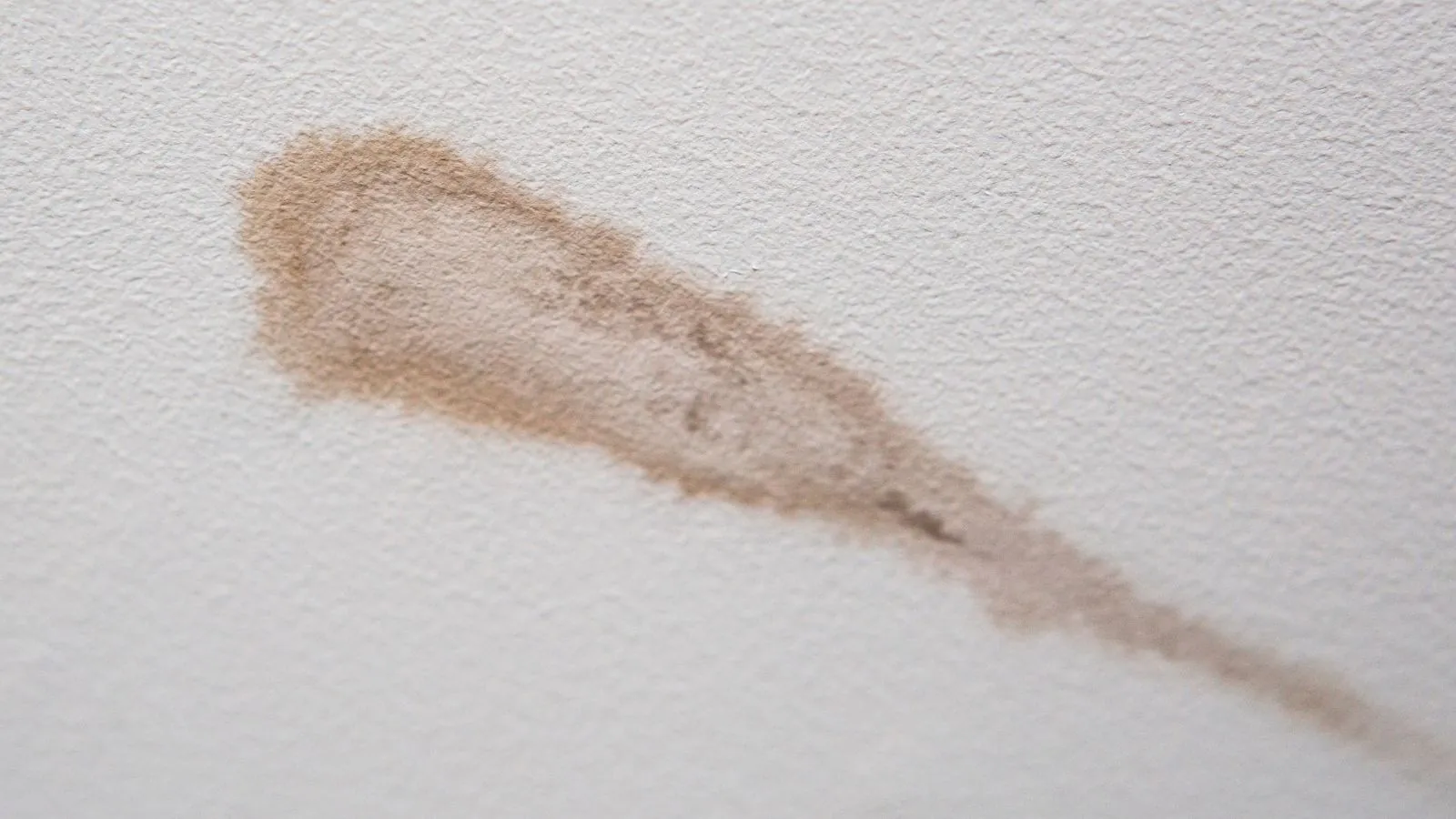
- Brown or yellow stains on ceilings and walls
- Peeling, bubbling or cracking paint
- Warped, cupped or buckled floors
- Swollen baseboards or door frames
- Dark spots near windows or under sinks
Stains with a ring shape often mean water has come and gone several times. A fresh stain is usually damp to the touch, and an older stain may be dry but could still mean a recurring leak.
Professionals confirm what these signs mean with a moisture meter and a thermal camera, and the published ANSI/IICRC S500 standard is the reference for what happens once wet material is found.
Signs you can smell or hear
A musty smell in a room with no visible water suggests moisture hidden in walls or under floors. The sound of dripping or running water when everything is off can mean a leak inside a wall. A toilet that runs on its own is a smaller leak, though it can raise a bill quickly.
Signs in your bills and meters
A sudden jump in the water bill with no change in use is a classic sign. You can check by turning off every fixture and watching the meter. If the dial moves, water is going somewhere. A leak detection company can find it.
Room-by-room checklist
| Room | Where to look | What it may mean |
|---|---|---|
| Kitchen | Under the sink and behind the dishwasher | Slow supply or drain leak |
| Bathrooms | Around the tub, toilet base and ceiling below | Seal failure or supply leak |
| Laundry | Behind the washer and along hoses | Hose or valve failure |
| Attic and top-floor ceilings | Stains and damp insulation | Roof or flashing leak |
| Garage and utility | Around the water heater | Tank weep or fitting leak |
| Basement and crawl space | Walls, floors and insulation | Seepage or plumbing leak |
What to do when you find a sign
Photograph it and mark the edge of the stain with a pencil and a date. If it grows, you have a live source. Shut off the water to the suspected fixture, and call for a moisture check if the sign is on a wall, ceiling or floor.
If you see sagging drywall, bulging ceilings or water near electrical fixtures, treat it as an emergency and call the 24/7 line right away.
Why small signs deserve attention
Water damage rarely stays the same size. A stain the size of a coin can sit above a wet cavity the size of a door, because insulation and drywall carry water sideways. Treating a small sign as a small problem is how many homeowners end up with a large repair.
The cost of checking is low. A moisture meter and a thermal camera can scan a wall in minutes, and the answer tells you whether to relax or act. Ask for a check whenever a stain, a smell or a bill does not make sense.
Also remember seasonal habits. Check gutters before the rainy season, look at the water heater pan once a season and run your hand along supply lines under sinks. Five minutes twice a year catches most slow leaks.
Signs that need an emergency call
Some signs are not worth waiting on. A ceiling that sags or bulges, water dripping from a light fixture, water running down a wall or a floor that is wet and still getting wetter all call for immediate action. Shut off the main valve and call the 24/7 line.
Smell matters too. A sharp sewage odor, along with gurgling drains or water coming up through a floor drain, points to a backup. Stay out of the area and keep children and pets away.
How to track a suspected leak
Mark the edge of a stain with a pencil and write the date next to it. Check it daily for a week, and photograph it from the same spot. A stain that grows after rain suggests the roof, and one that grows in dry weather suggests plumbing or an HVAC drain.
You can also place a sheet of paper towel against a suspect wall or under a fixture overnight. Damp paper in the morning means active moisture. It is a rough test, and a moisture meter gives a more reliable answer.
A local note for Battle Ground homes
Clark County reports a rainy season from October through March, and many Battle Ground homes see their first ceiling stains after the first big storms of fall. Checking the top-floor ceilings and window frames after each storm catches small leaks early.
Homes near creeks and wetlands, such as those around Southeast Battle Ground parks, can also show damp crawl spaces and basement walls in winter. Older homes near Old Town may show leaks through older roofs and plumbing.
If a sign points to a particular source, the pages on ceiling water damage, slab leaks and crawl space water damage explain what to expect.
Questions people ask
What is the earliest sign of hidden water damage?
A musty smell or a faint stain is often the first clue. Cool or damp baseboards and a spinning water meter with every tap off are also early signs.
Can a stain dry out and be fine?
The stain may stop growing, but hidden materials can still be damp. A moisture check tells you whether the area is truly dry.
How do I check my water meter for a leak?
Turn off all fixtures, then read the meter, wait an hour with no water use and read it again. If the number changes, water is going somewhere.
Are ceiling stains always from the roof?
No. They can come from bathrooms above, plumbing, an air handler drain or a roof leak. The location and the weather help narrow it down.
What do Battle Ground winters do to hidden leaks?
Cool, damp months slow drying, so small leaks can stay wet longer. Check ceilings and walls after major storms.