
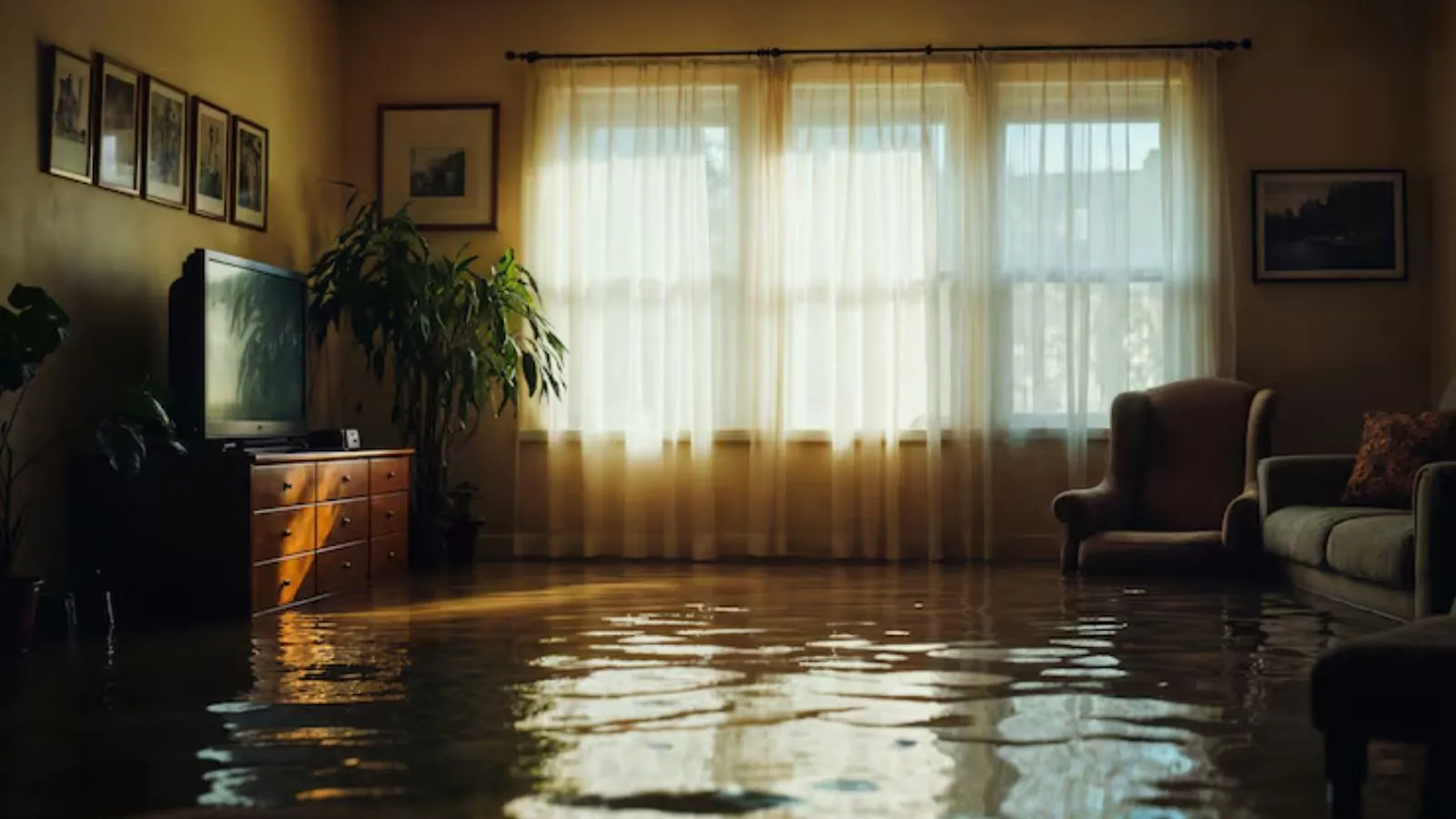
By the Battle Ground Water Damage Pros team. Published November 18, 2026.
Start by knowing what happened
Before you list, find out what the damage was, when it happened and what was done about it. A one-time burst pipe that was dried and repaired tells a different story from a stain with an unknown source. Buyers and their inspectors look for the difference.
Drying records that show readings reaching a target, the kind the published ANSI/IICRC S500 standard expects, are the documents a buyer or agent is most likely to ask about.
This guide is general information, not legal advice. Ask your real estate agent or a real estate attorney how disclosure applies to your situation.
Disclosure in Washington
Washington requires most sellers of residential property to complete a seller disclosure statement, which is covered in RCW chapter 64.06. The form asks about known problems, including water intrusion and damage. Answers should be accurate and based on what you know.
If you are unsure how to answer a question, ask your agent or attorney. Giving incomplete or misleading answers can cause problems after closing, so it is better to be clear and provide records.
Records that help
| Record | Why it helps | Where to get it |
|---|---|---|
| Drying log and moisture readings | Shows materials reached a normal level | Your restoration company |
| Written scope of work | Lists what was removed and replaced | Restoration and repair contractors |
| Photos before and after | Shows the damage and the repair | Your own camera and the crew |
| Invoices and receipts | Proves the work was done | Contractors and suppliers |
| Permits, if any were needed | Shows work was reviewed | City or county building office |
| Insurance claim paperwork | Shows how the loss was handled | Your insurer |
Keep these together in one folder. Buyers feel more comfortable when they can see what happened and how it was fixed, and the paperwork often shortens the questions that follow an inspection.
Repair first, sell as-is or credit the buyer
Sellers usually choose among three paths. They can repair the damage before listing, sell as-is with full disclosure or offer a credit at closing. Each has trade-offs, and your agent can explain how each plays in the current market.
If you repair, finish drying first. Closing up damp walls creates the next problem. A moisture check after drying shows the structure is dry before paint goes on.
What buyers and inspectors look for
- Stains on ceilings and around windows
- Soft or warped flooring
- Musty smells in closed rooms
- Fresh paint on one wall or one patch of ceiling
- Damp crawl spaces or basements
Fresh paint over a stain without records raises questions. Honest records and a dry reading usually answer them.
If a buyer asks for a moisture reading, do not take it personally. It is a normal request after a documented loss. Offering a recent reading and the drying log shows that the home was handled properly and keeps the conversation about facts.
Keep in mind that a home with a documented, completed repair can be easier to sell than one with an unknown history. Records turn a worry into a fact, and facts are easier to price. Ask your agent how to present the folder to buyers.
Talking about the damage with buyers
Be calm and factual. Say what happened, when it happened and what was done, and offer the records. Buyers are often more worried by silence than by a documented repair. A short summary page in the folder can answer the first round of questions.
Let your agent handle negotiation. If a buyer's inspector finds more moisture, ask for readings and a plan instead of arguing. A follow-up moisture check by a restoration company can show whether the area is still wet.
Timing the repair against the listing
Water damage found late in the listing process can delay closing. If you know about a problem, dealing with it before you list is usually simpler. Drying takes days, and repairs take longer, so build that time into your plan.
A local note for Battle Ground sellers
Clark County describes an October through March rainy season, so inspectors in the area routinely check roofs, crawl spaces and basements for moisture. A home with a documented repair and a dry reading often looks better than a home with an unexplained patch.
If your home is near a creek or wetland, such as in Southeast Battle Ground, expect questions about drainage. Buyers in Vancouver and elsewhere ask similar things, so keep the records handy.
How we fit in
We handle extraction and drying and produce the written scope and readings. We do not give legal advice, appraise homes or decide what you must disclose. For what the drying process produces, read structural drying, and for the steps on a leak that started with a pipe, see burst pipe water damage.
Questions people ask
Do I have to disclose past water damage in Washington?
Washington's seller disclosure rules cover known problems, including water issues. Ask your agent or attorney how they apply to your home, since this guide is not legal advice.
Should I repair before listing?
It depends on your timeline and budget. Repairing after drying removes uncertainty, while selling as-is with full disclosure may suit some sellers. Your agent can compare the options.
Do drying records matter to buyers?
Often yes. A drying log shows that materials reached a normal moisture level, which answers a common buyer concern.
Can I just paint over a stain before showing the house?
Painting hides it, and it does not fix the cause. Buyers and inspectors often notice fresh patches. Document the repair and disclose accurately.
Is a creek nearby a problem for resale in Battle Ground?
It can prompt questions about drainage and flood zones. Look up the address on the FEMA Flood Map Service Center and keep any drainage records ready.