
By the Battle Ground Water Damage Pros team. Published November 18, 2026.
Start with the outside
Walk around the house before you go in. Look at the roof lines, gutters and downspouts, and note where water would run. Check the ground near the foundation for pooling, soft spots or stains on the siding.
Look at the grade. The ground should slope away from the house, not toward it. Gutters that dump at the foundation cause problems over time.
Inside: ceilings, walls and floors
| Area | What to look for | What it may mean |
|---|---|---|
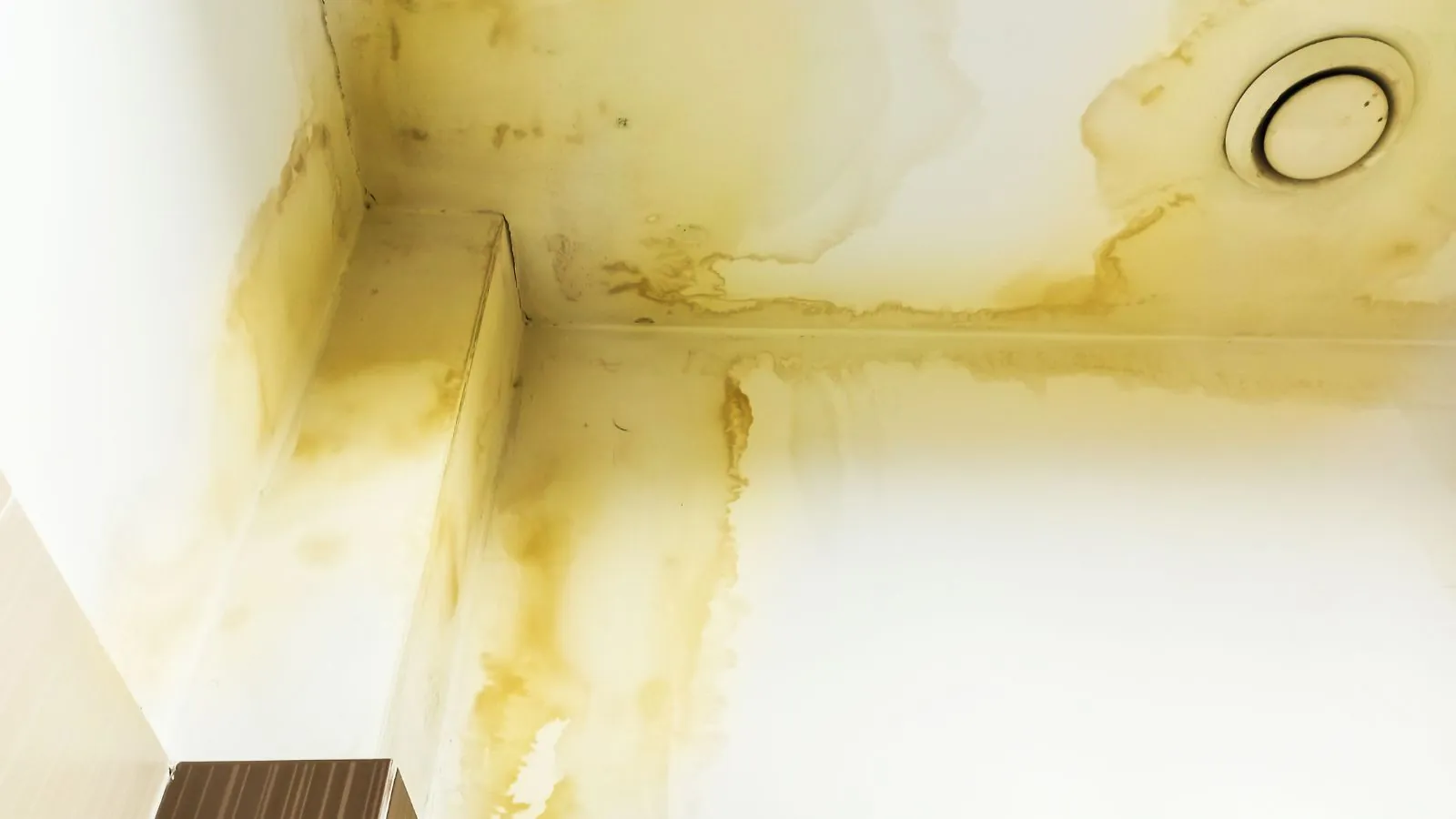
| Ceilings | Stains, rings, fresh paint patches | Past or present leaks |
| Walls | Bubbling paint, soft spots, cracks near windows | Moisture behind the surface |
| Floors | Cupping, buckling, soft areas | Water from below or above |
| Under sinks | Damp cabinet bottoms, corrosion | Slow supply or drain leaks |
| Windows | Stains on sills and frames | Seal or flashing leaks |
Bring a flashlight and look closely at corners and edges. A fresh coat of paint on only one part of a ceiling is a clue worth asking about.
Basements, crawl spaces and attics
Ask to see the crawl space or basement. Look for standing water, damp insulation, stains on foundation walls and a musty smell. In the attic, check for stains on the underside of the roof deck and wet insulation.
If you cannot access these spaces, ask the seller or your inspector why. Hidden areas are where many problems live.
Questions to ask the seller
- Has the house ever had water damage or a leak?
- What was the cause, and what was done about it?
- Are there records, such as invoices, drying logs or permits?
- Has there been an insurance claim?
- Has water ever entered the basement or crawl space?
Washington's seller disclosure rules, in RCW chapter 64.06, ask sellers about known water problems. Ask your agent how they apply, and get answers in writing. This is general information and not legal advice.
Get the right inspections
A general home inspector looks at the whole house. If something looks wrong, ask for a follow-up from a specialist, such as a roofer, a plumber or a crawl space inspector. An assessment by a restoration company adds moisture readings, which can confirm whether a suspicious area is wet now.
Moisture readings are a snapshot. A dry wall today does not prove it never leaked, so records of past repairs matter too. See how readings are logged on the structural drying page.
Finally, ask about the roof, the water heater and the age of the plumbing. These are the three items most likely to cause a loss in the first years of ownership. Knowing their age lets you budget for replacement before something fails.
Photograph and take notes during the walkthrough
Take photographs of anything that looks suspicious, with a coin or pen for scale. Note the room, the wall and the date. Ask the seller or agent about each item right away while you are in the house.
Bring a simple moisture meter if you own one, but remember that a meter without training can mislead. A professional reading is more reliable, and it is worth paying for if your concern is real.
Look at the smell and the air
Open closets, cabinets and the door to the basement or crawl space, and breathe in. A musty smell in a closed room is a common sign of hidden moisture. A heavy use of air fresheners or candles in an empty house can be a reason to ask more questions.
Check whether a dehumidifier is running in the basement, and ask why. A dehumidifier is not a bad sign by itself, since many homes use one, but it deserves a conversation.
What to do before closing
Ask your inspector to note anything related to water in writing. Request records of repairs and permits, and ask the seller to repair or credit any problems you find. Keep every document in one folder, since you will need them if questions come up later.
A local note for Battle Ground buyers
Clark County has a long rainy season from October through March, so roofs, gutters and crawl spaces are worth extra attention. Ask when the roof was last replaced and whether gutters drain away from the house. If you are looking at a home near a creek or wetland, such as in Southeast Battle Ground, look up the address on the FEMA Flood Map Service Center.
Older homes near Old Town may have older plumbing and roofs, which can be fine if maintained. Ask for records. Homes in Brush Prairie and other nearby communities may have wells, septic systems or long supply lines worth asking about.
If you find damage
Ask for the cause and a plan. You can negotiate repairs or a credit, or walk away. If you close, a restoration company can dry and document the home before repairs. The page on ceiling water damage shows what a typical stain involves.
Questions people ask
What is the biggest sign of hidden water damage when buying?
Fresh paint on part of a ceiling or wall, a musty smell and floors that cup or feel soft are common clues.
Should I ask for a moisture inspection?
If anything looks suspicious, yes. Moisture readings show whether an area is wet now.
Does a dry reading mean no past leaks?
No. It means the area is dry now. Ask about past repairs and records.
Do I need flood insurance in Battle Ground?
Look up the address on the FEMA Flood Map Service Center and ask your agent. Flood damage usually needs separate coverage.
Can I ask the seller for repair records?
Yes. Invoices, drying logs and permits help you understand what happened.